

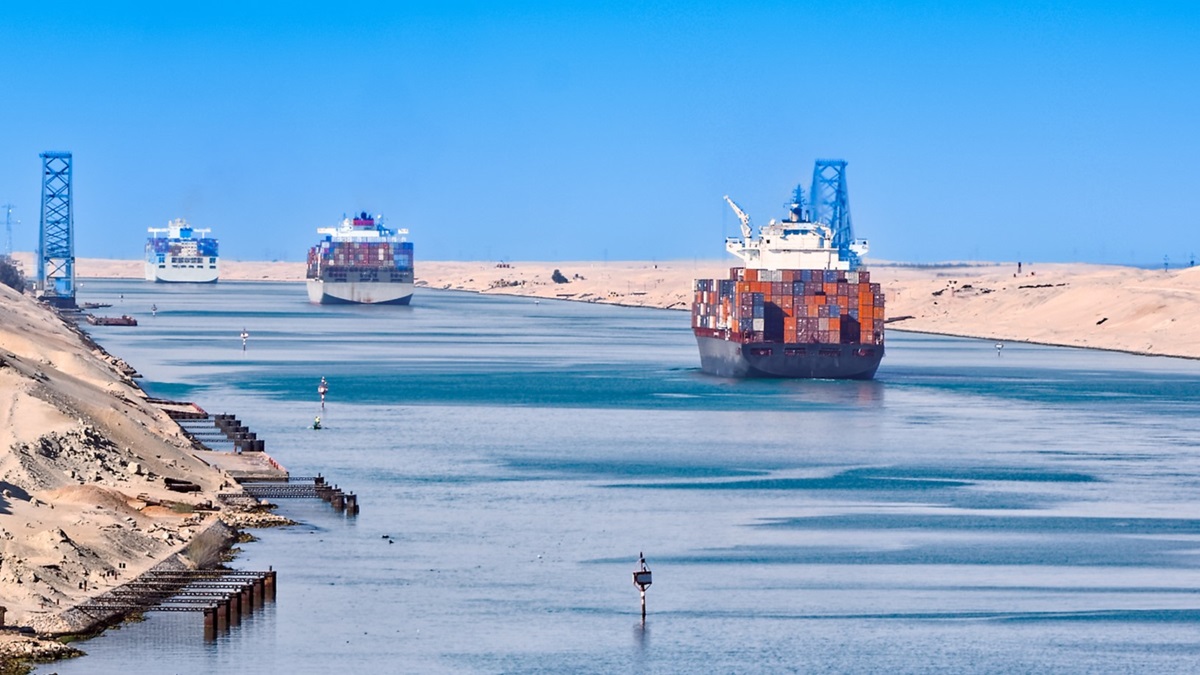
Rising tensions in the Middle East are beginning to disrupt global shipping networks, forcing companies to reassess routes, absorb higher costs and strengthen supply chain risk strategies, according to industry data and maritime analysts.
At the centre of the concern is the Strait of Hormuz, one of the world’s most critical shipping corridors. Estimates from the International Energy Agency and UNCTAD indicate that a significant share of global seaborne oil trade flows through this narrow passage, leaving energy markets and trade routes highly exposed to geopolitical shocks.
Shipping companies are already adjusting operations, with early signs of rerouting and risk reduction emerging across key corridors, according to Reuters and maritime analytics firms such as Lloyd’s List Intelligence. Some carriers are reducing exposure to high risk zones or redirecting shipments altogether, extending transit times and increasing operational costs.
These shifts are now translating into measurable market changes. Freight rates are firming, while insurance costs, particularly war risk premiums, have risen sharply in recent weeks, with some routes seeing double digit increases, according to shipping executives and industry bodies. The International Chamber of Shipping has also flagged escalating risks across key maritime corridors.
For now, the disruption remains contained, but the trajectory is clearly upward.
The impact is extending beyond energy markets. Disruptions are already affecting a wide range of sectors, including chemicals, fertilizers, electronics and consumer goods, underlining the interconnected nature of global supply chains, according to UNCTAD and industry assessments.
Strain is also building across logistics networks. Maritime consultancies such as Drewry and Clarksons Research indicate that shipping systems are tightening, with growing implications for delivery timelines, vessel availability and overall supply chain efficiency.
South Asia and Southeast Asia on Alert
The developments are being closely monitored in South Asia and Southeast Asia, regions heavily dependent on maritime trade and energy imports.
Shipping: What It Means
In South Asia, countries such as India, Bangladesh and Sri Lanka rely significantly on oil and LPG shipments from the Middle East. Analysts at the Observer Research Foundation warn that sustained disruptions or elevated shipping costs could increase import bills and intensify inflationary pressures.
India, in particular, remains exposed due to its reliance on imported energy. According to the International Energy Agency, sustained increases in freight and insurance costs are now likely to feed into fuel prices and ripple across transport, manufacturing and broader economic activity.
In Southeast Asia, export driven economies including Indonesia, Vietnam, Thailand and Malaysia are also assessing potential impacts. Regional insights from the Asian Development Bank suggest that longer shipping routes and higher freight costs are beginning to disrupt manufacturing supply chains, particularly in electronics and consumer goods.
Rerouting is also expected to place additional pressure on ports and logistics infrastructure across the region, according to maritime intelligence from Lloyd’s List Intelligence.
Companies are actively restructuring supply strategies in response. This includes diversifying sourcing, building inventory buffers and exploring alternative logistics corridors. In parallel, some energy exporters are increasing reliance on pipeline infrastructure to reduce exposure to vulnerable maritime routes.
According to the Center for Strategic and International Studies, these developments reflect a broader shift in global trade dynamics, where supply chains are increasingly being designed for resilience rather than pure efficiency.
The bigger risk is not a single disruption, but a sustained pattern of instability across key trade corridors.
For businesses, the immediate challenge lies in managing higher costs, delays and operational uncertainty. Over time, however, the implications are likely to be more structural. Persistent geopolitical risks are beginning to reshape trade corridors, sourcing strategies and logistics planning, with resilience and redundancy becoming core design principles rather than contingency measures.
As disruptions across key maritime routes become more frequent, global supply chains are entering a phase of recalibration, one that could redefine how goods, energy and capital move across regions.
Related on Digital Trade Outlook
- Geopolitical Shifts Are Reshaping Trade Flows and Supply Chains.
- Export Finance Recalibrates as Geopolitical Risks Disrupt Trade Flows
- West Asia Tensions Put Gulf Data Infrastructure and Global Tech Supply Chains at Risk
- Flexport Unveils AI-Driven Supply Chain Tools as Global Disruptions Intensify